Grace Notes
Learn what they look like and
discover how they will make you grow.
Grace Is Not A Bonus
The worker
who has been toiling since the first hour
receives the same pay as the one
who only arrived in the eleventh hour.
Outrageous, isn’t it?
We live in a world of rankings,
of merit, of fair distribution.
And then Jesus tells this story.
No explanation. No apology.
Just the quiet question:
Are you envious because I am generous?
Grace is not a bonus for performance.
It is the end of all comparisons.
That destroys our hierarchies
– and perhaps also our pride.
For if everyone is loved equally,
what then is your worth based on?
What Grace Notes are about
Learn how to integrate Grace Notes in your daily life and how they can help you grow personally.
Grace Notes create a small, intentional pause in your day — a moment to step out of the rush and become present again.
They invite honest reflection, not to accuse, but to awaken; helping you see yourself and your life more clearly.
Each Grace Note is short and focused, yet rich enough to linger to offer insight without overwhelming your mind.
Over time, these small moments shape how you think, feel, and live; and foster quiet growth through consistency and depth.

Latest Grace Notes
Here are some of the past Grace Notes to inspire you.
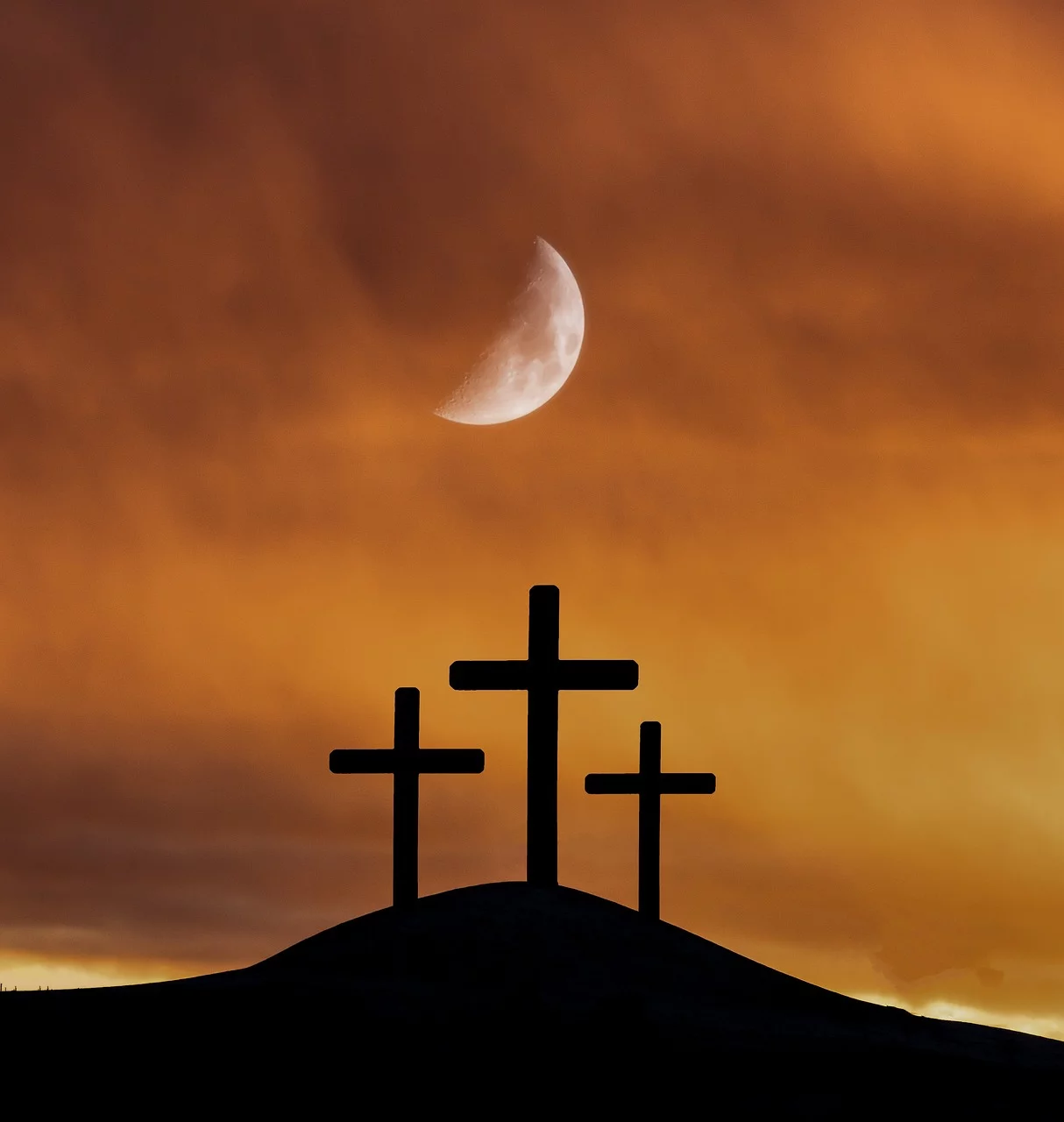
God Is Silent As Jesus Dies
“My God, why have you forsaken me?”
Jesus cries out.
And God does not answer.
No explanation.
No rescue.
Only silence.
Perhaps the heaviest silence in history.
And yet,
it is precisely here
that redemption happens.
God’s silence is not a turning away.
It is surrender.
He is silent
because He is bearing the burden.
He does not explain
because the answer
is not a word,
but the cross itself.
Sometimes God remains still,
not because He is indifferent
to our questions,
but because
He answers them more deeply
than we can currently understand.
Can you remain
in His silence
without immediately demanding
an explanation?

The Master And The Masterpiece
A sculptor
does not work in haste.
He does not strike the stone blindly.
Every blow is intentional.
Patient.
Purposeful.
And with every strike,
something disappears.
Not the essential
—but that which you cling to.
God is an artist,
not an assembly-line worker.
He does not shape in series.
He chisels.
Personally.
Persistently.
And yes—sometimes painfully.
It takes
longer than you hoped.
Longer than you want to control.
But the pain is not a sign of absence,
but of closeness.
You are not finished.
But you are not overlooked either.
God is still working on you.
The question is not
whether He knows what He is doing.
But rather:
Can you endure the chisel?
Why God Doesn’t Just Forgive
It sounds so simple:
Why doesn’t God just forgive?
Why the cross?
Why the blood?
Because forgiveness without justice
trivializes the wrong
—as if it weren’t that bad.
But it was bad.
Guilt destroys.
It separates.
It kills life.
A God who overlooks this
is not loving
—he is indifferent.
The cross shows:
God takes guilt seriously.
So seriously
that he bears it himself.
Love is not blind.
It sees the injustice
and stays anyway.
Justice is not cold.
It demands its due
and fulfills it itself.
At the cross,
love and justice
do not contradict each other.
They find one another.